April 18, 2026
Choosing an epoxy floor coating is a smart investment for property owners who want a durable, visually appealing, and low-maintenance surface. Whether it’s for a garage, commercial space, or industrial environment, this flooring solution offers a polished look combined with long-term performance. However, many people are unsure of what the installation process involves and how professionals achieve such seamless results. Understanding what to expect can help you feel confident in your decision and prepared for the transformation ahead. From the initial assessment to the final curing stage, every step in an epoxy floor coating installation is handled with precision and expertise to ensure a flawless finish that stands the test of time.
Assessing the Condition of the Existing Surface
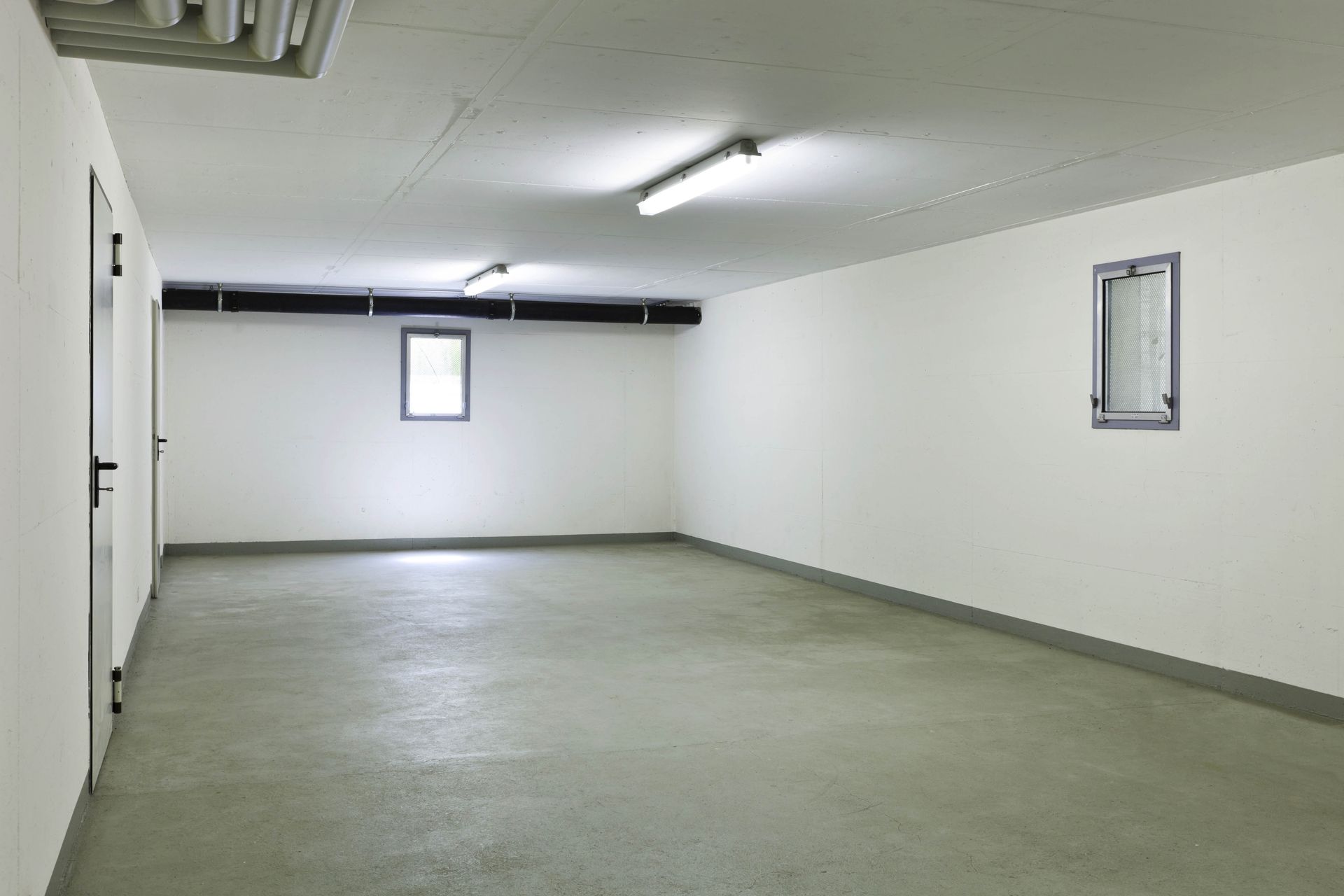
Before applying an epoxy floor coating, professionals begin by evaluating the condition of the existing surface. This initial assessment is crucial because the quality of the finished floor depends heavily on the preparation stage. Experts inspect the concrete for cracks, stains, moisture issues, and any signs of previous coatings that may interfere with adhesion.
This step allows professionals to determine the best approach for preparing the surface and addressing any underlying problems. If there are imperfections or damage, they are carefully noted and planned for repair. Moisture testing may also be conducted to ensure the concrete can properly bond with the epoxy floor coating.
By taking the time to thoroughly assess the surface, professionals can prevent future issues such as peeling, bubbling, or uneven finishes. This attention to detail ensures that the epoxy floor coating will not only look great but also perform reliably over time.
Preparing the Surface for Proper Adhesion
Surface preparation is one of the most critical stages of an epoxy floor coating installation. Without proper preparation, even the highest-quality materials will fail to adhere correctly. Professionals use specialized equipment to clean, grind, or shot blast the concrete, removing dirt, grease, and old coatings.
This process creates a rough texture that allows the epoxy floor coating to bond effectively with the surface. Any cracks or holes identified during the assessment are repaired using professional-grade fillers and compounds. This ensures a smooth and uniform base for the coating application.
Additionally, the area is thoroughly cleaned to remove dust and debris that could compromise the finish. This meticulous preparation process is what sets professional installations apart and contributes to the longevity of the epoxy floor coating.
Applying the Epoxy Base Coat With Precision
Once the surface is fully prepared, the application of the epoxy floor coating begins with the base coat. This layer acts as the foundation for the entire system and is applied evenly across the surface using professional tools and techniques.
Experts carefully mix the epoxy components to achieve the correct consistency and ensure optimal performance. The application process requires precision and timing, as the material must be spread evenly before it begins to cure. This step is essential for achieving a smooth, seamless finish.
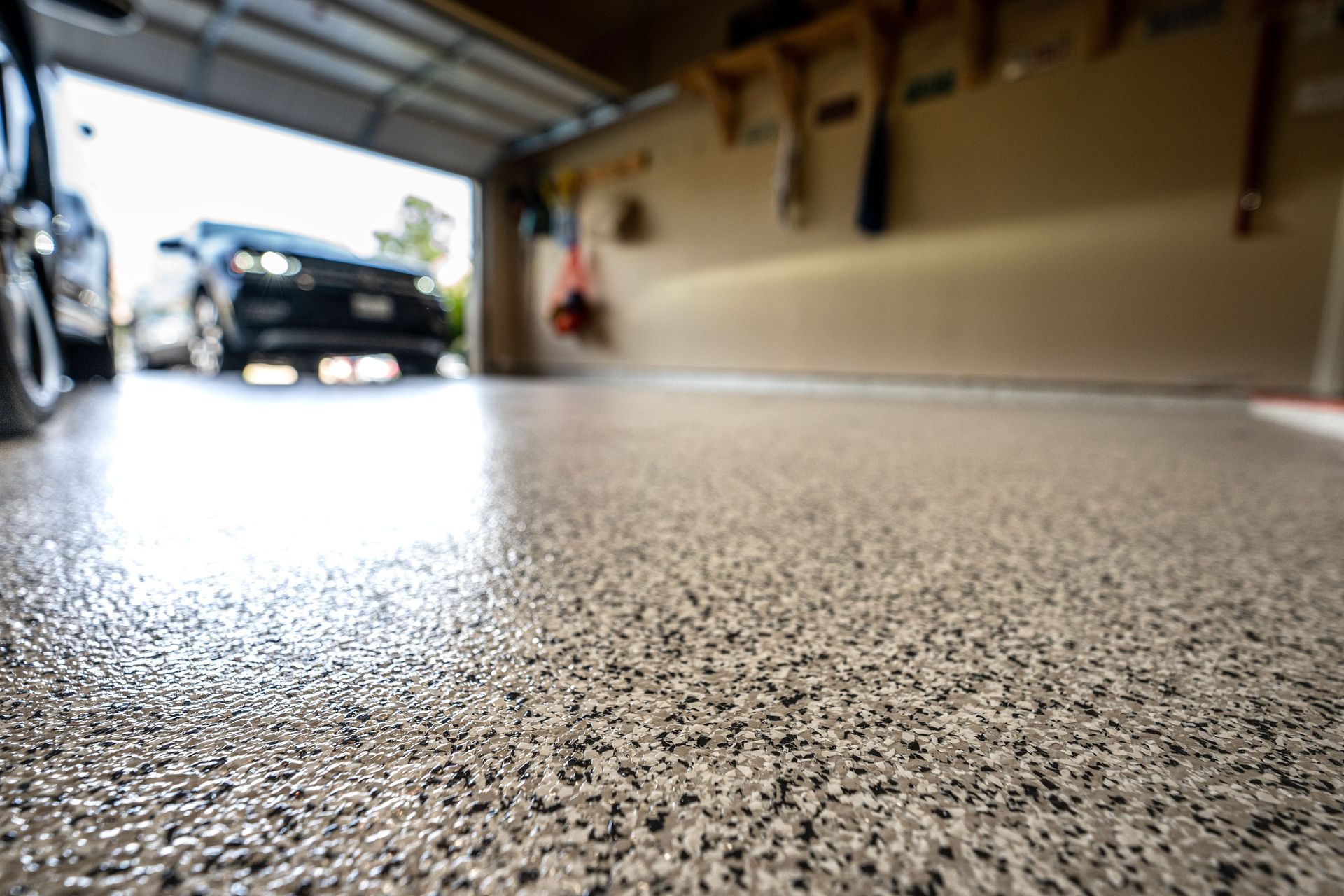
Depending on the desired look and functionality, the base coat may also include decorative elements such as color flakes or pigments. These additions not only enhance the appearance but also contribute to the texture and slip resistance of the floor.
The expertise of trained professionals ensures that the epoxy floor coating is applied correctly, minimizing the risk of imperfections and maximizing durability.
Enhancing the Surface With Additional Layers
After the base coat is applied, additional layers may be added to enhance the performance and appearance of the epoxy floor coating. These layers can include decorative finishes, protective topcoats, or specialized sealants designed to improve durability and resistance.
Each layer is applied with care, allowing adequate time for curing between applications. This step-by-step process ensures that the coating system is built up properly, resulting in a strong and resilient surface.
The choice of additional layers depends on the intended use of the space. For example, high-traffic areas may require extra protection, while residential spaces may focus more on aesthetic appeal. Professionals tailor the process to meet the specific needs of each project.
These enhancements not only improve the look of the epoxy floor coating but also extend its lifespan and performance. They also add an extra layer of protection against impact, moisture, and chemical exposure, helping the surface withstand demanding conditions. As a result, the floor maintains its integrity and appearance with minimal maintenance over time.
Allowing Proper Curing Time for Long-Term Results
Curing is a vital part of the epoxy floor coating installation process. After the final layer is applied, the floor must be left undisturbed to allow the material to harden and achieve its full strength. This stage requires patience, as rushing the process can compromise the integrity of the coating.
During this time, professionals provide guidance on when it is safe to walk on the surface and resume normal use. According to The Spruce, it is recommended to wait four to seven days before driving a vehicle over a newly installed epoxy floor coating, ensuring the surface has fully cured and can handle the weight without damage.
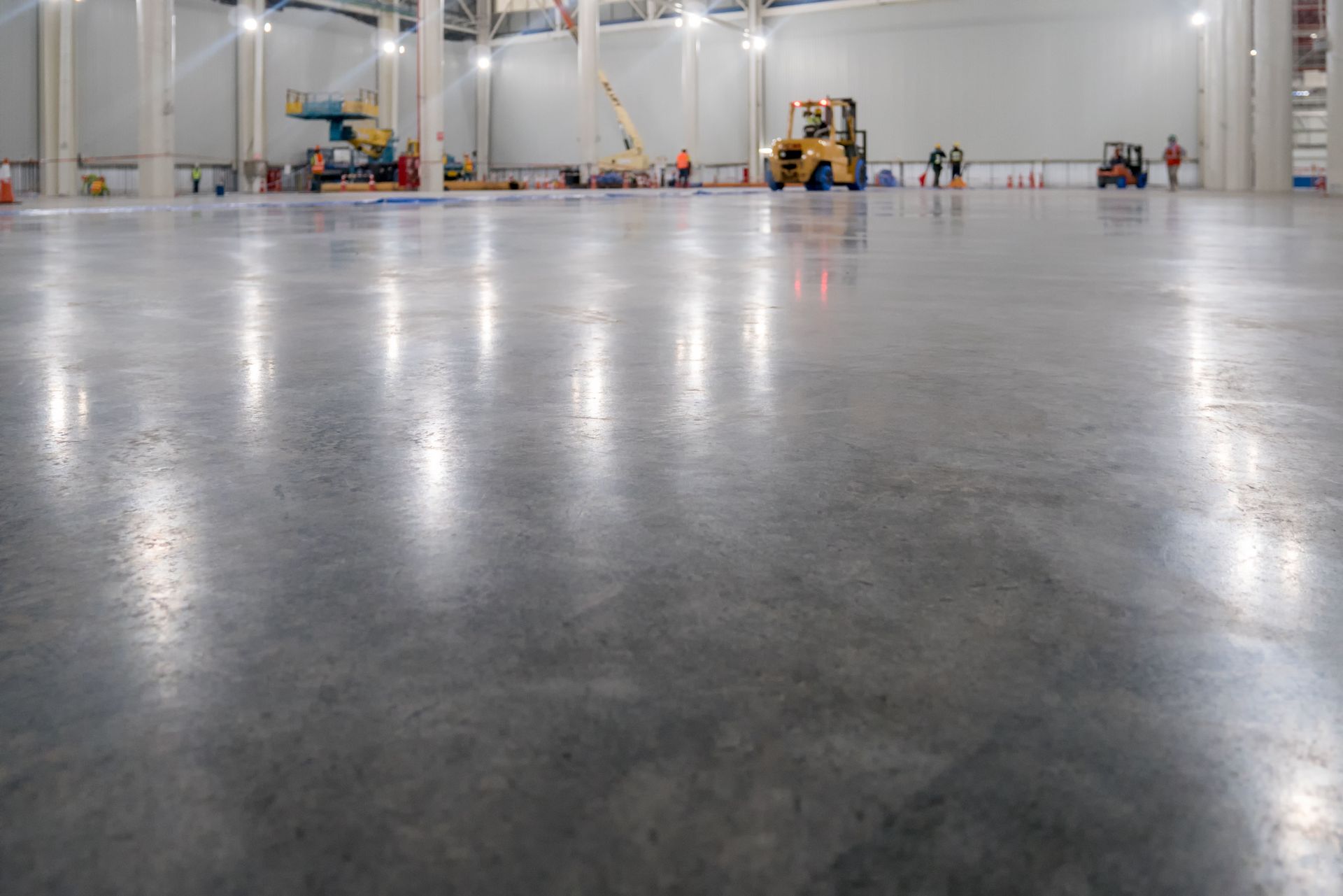
Proper curing not only ensures durability but also enhances the overall appearance of the floor. The result is a smooth, glossy finish that is resistant to wear, chemicals, and daily use. This final stage allows the coating to reach its full strength, ensuring it performs as intended in both residential and commercial settings. Allowing adequate curing time also helps prevent surface imperfections, preserving the floor’s seamless and professional look.
Maintaining the Epoxy Floor Coating for Longevity
Once the epoxy floor coating installation is complete, maintaining the surface is essential for preserving its appearance and performance. One of the key benefits of this flooring option is its low maintenance requirements, making it an attractive choice for both residential and commercial settings.
Regular cleaning helps keep the surface looking its best and prevents the buildup of dirt and debris. Professionals may recommend specific cleaning products and techniques to avoid damaging the coating. Avoiding harsh chemicals and abrasive tools can help extend the life of the epoxy floor coating.
Periodic inspections can also identify any minor issues before they become major problems. By addressing wear and tear early, property owners can maintain the integrity of their flooring and avoid costly repairs.
With proper care, an epoxy floor coating can provide long-lasting value and continue to enhance the space for years to come. Its durable surface resists wear from daily use while maintaining its clean, polished appearance, making it ideal for both residential and commercial environments. Consistent maintenance not only preserves its visual appeal but also helps protect against minor damage that could affect performance over time.
An epoxy floor coating installation is a detailed process that requires skill, precision, and professional expertise. From the initial assessment to the final curing stage, each step plays a crucial role in achieving a durable and visually appealing result. By understanding what to expect, property owners can feel confident in their decision and appreciate the craftsmanship involved in creating a high-quality floor. Investing in professional installation ensures that the epoxy floor coating delivers both performance and style, making it a worthwhile addition to any space.
When you’re ready to upgrade your space with a high-quality epoxy floor coating, we’re here to help at Precision Floor Coatings. Our team is committed to delivering exceptional results with a focus on durability, aesthetics, and long-term performance. Let us transform your floors with expert care and attention to detail.
Share On: